If you’re gearing up to ace the Korean Proficiency Test, picking the right language school can make all the difference. With so many options out there—both online and offline—it’s easy to feel overwhelmed.
Lately, there’s been a surge in specialized programs tailored to different learning styles, making the choice even more exciting yet challenging. Whether you’re aiming for fluency, cultural insight, or exam strategy, finding a school that fits your goals and lifestyle is key.
Stick around as we dive into how to navigate this decision, so your journey to mastering Korean is as smooth and effective as possible.
Understanding Your Learning Style and Goals
Identifying Your Preferred Learning Method
Everyone has a unique way of absorbing new information, and recognizing your preferred learning style is crucial when choosing a Korean language school.
Some people thrive in interactive, conversation-focused classes where they can practice speaking right away. Others may prefer a more structured, grammar-heavy approach that builds a solid foundation before moving on to conversation.
For example, if you’re someone who learns best by doing, a school offering immersive speaking sessions or group discussions might keep you engaged and motivated.
On the other hand, if you prefer a more analytical approach, look for programs that emphasize detailed explanations and written exercises. Taking a quick self-assessment or reflecting on past language learning experiences can help clarify which style suits you best.
Setting Clear Objectives for Your Korean Study
Before enrolling, it’s important to define what you want to achieve with your Korean studies. Are you aiming to pass a specific TOPIK level, or do you want to become fluent for travel or work?
Maybe your goal is to understand Korean dramas without subtitles or to communicate effectively with Korean friends and colleagues. These goals influence the type of school and course you should select.
For instance, a program focused on TOPIK exam strategies might emphasize vocabulary drills, mock tests, and grammar mastery, while a conversational Korean course could prioritize speaking fluency and cultural nuances.
Being clear about your objectives helps you avoid wasting time and money on courses that don’t align with your needs.
Balancing Time Commitment and Learning Intensity
Everyone’s schedule and energy levels differ, so it’s essential to pick a program that fits your lifestyle. Some schools offer intensive boot camps that demand several hours daily, which can accelerate progress but might be tough if you’re juggling work or studies.
Alternatively, weekend or evening classes provide more flexibility but require consistent attendance over a longer period. When I prepared for TOPIK myself, I found that a moderate pace with regular practice worked best for me, as it prevented burnout while still keeping the momentum going.
Consider how much time you can realistically dedicate each week and seek schools that offer class times and formats matching your availability.
Comparing In-Person and Online Learning Options
Advantages of Face-to-Face Classes
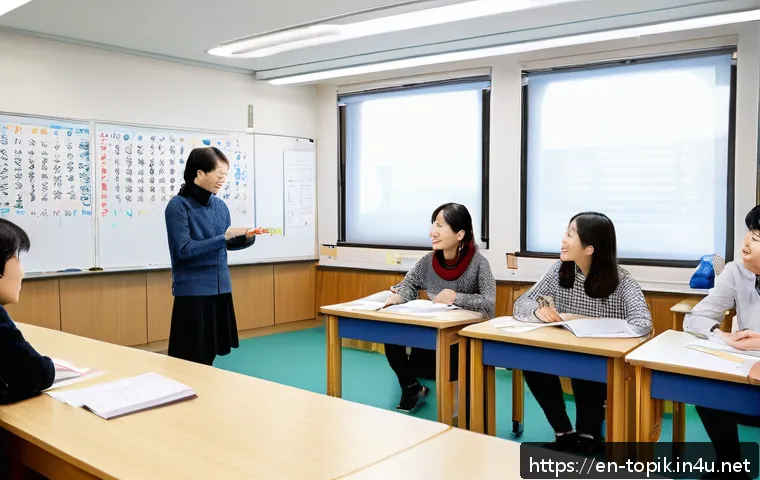
In-person classes offer the benefit of immediate interaction and feedback, which is invaluable when learning a language. Being physically present with teachers and classmates fosters a sense of community and accountability.
You can read body language and pick up on subtle pronunciation cues more easily. Plus, many schools organize cultural activities or language exchanges that enrich your learning experience beyond the classroom.
For those who value social learning and structure, attending a local Korean language school can create a motivating environment. However, commuting and fixed schedules may be downsides for some learners.
Benefits and Challenges of Online Courses
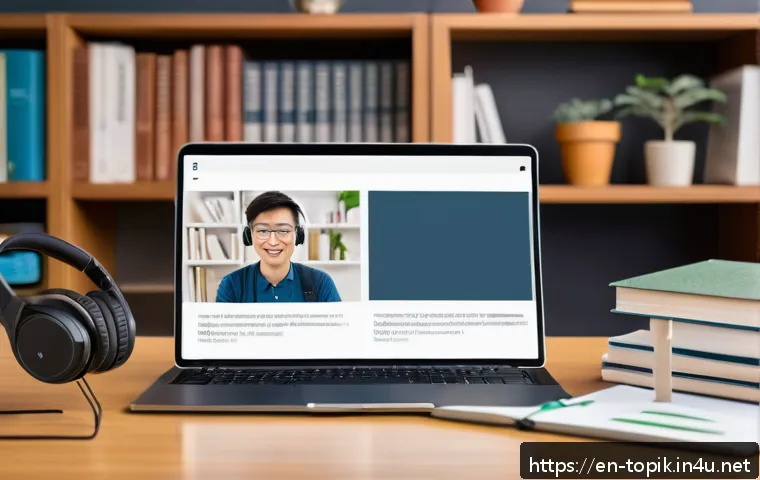
Online Korean courses have surged in popularity, especially given their flexibility and wide range of options. Platforms often provide interactive tools, video lessons, and instant access to native speakers from anywhere in the world.
This convenience allows you to tailor your study hours to your personal rhythm, which is a game-changer for busy professionals or travelers. On the flip side, some learners miss the in-person connection and may struggle with self-discipline.
To maximize success, choosing online schools that offer live sessions and active community forums can help maintain engagement. Personally, I found blending online study with occasional in-person meetups gave me the best of both worlds.
How to Evaluate Technological Support and Resources
When considering online programs, it’s important to look beyond just convenience. Check if the platform supports interactive quizzes, pronunciation feedback, and downloadable materials.
Does it offer personalized learning paths or progress tracking? Reliable tech support and easy-to-navigate interfaces can make a huge difference, especially if you’re new to online learning.
Some schools even incorporate AI-powered tutors or apps that complement lessons, which can enhance your study routine. Don’t hesitate to try free trials or demo classes to get a feel for the technology and teaching style before committing.
Assessing Curriculum Quality and Exam Preparation Focus
Depth and Breadth of Course Content
A top-notch Korean language school should provide a well-rounded curriculum that balances grammar, vocabulary, listening, speaking, reading, and writing.
Look for courses that progressively build complexity while reinforcing previous lessons. For TOPIK preparation, it’s essential that the curriculum aligns closely with the exam format and difficulty level.
Schools that offer mock tests under timed conditions and detailed answer explanations can help you develop test-taking strategies and reduce anxiety. I personally appreciated programs that integrated cultural insights alongside language drills, as it made studying feel more engaging and relevant.
Teacher Credentials and Experience
Experienced instructors who are familiar with the TOPIK exam and Korean language teaching methodologies can dramatically improve your learning outcomes.
Ask about teachers’ qualifications, years of teaching, and whether they have experience coaching students specifically for TOPIK. Native speakers with teaching certification or those who have successfully guided students through the exam tend to provide more effective feedback and personalized tips.
From my experience, having a teacher who can identify your weak spots and adapt lessons accordingly was a game-changer in my preparation journey.
Support Services and Additional Resources
Beyond lessons, the best schools often provide supplementary resources such as vocabulary lists, grammar guides, and online forums where you can ask questions and share study tips.
Some offer one-on-one tutoring or counseling sessions to address specific challenges or motivation issues. Access to a community of fellow learners can also boost morale and accountability.
I found that schools with active student support and resources outside class hours helped me stay consistent and confident leading up to my exam.
Evaluating Cost and Value for Money
Understanding Pricing Structures
Language schools vary widely in their pricing models—some charge per class, while others offer package deals or monthly subscriptions. It’s important to consider not just the upfront cost but also what you get for your money.
Does the fee include access to additional materials, mock tests, or extra tutoring sessions? Hidden fees or cancellation policies can also affect your overall investment.
When I compared options, I made a list of what each school offered for the price to ensure I wasn’t paying extra for things I didn’t need.

Comparing Affordability and Quality
Sometimes the cheapest option isn’t the best value, especially if it lacks quality or comprehensive exam preparation. Conversely, a high-priced course might offer little more than basic lessons.
Try to find a balance where the price reflects the school’s reputation, curriculum depth, and support services. Reading student reviews and testimonials can provide insight into whether a program delivers on its promises.
I once chose a mid-range school with solid reviews and found that the quality of instruction and resources made a huge difference in my confidence and results.
Budget-Friendly Alternatives and Scholarships
If cost is a major concern, consider community centers, university language programs, or online platforms that offer free or low-cost Korean lessons. Some language schools provide scholarships or discounts for early registration, referrals, or long-term commitments.
Group classes often cost less than private tutoring, and you can supplement your learning with free apps or language exchange partners. I combined a paid course with daily practice using free resources, which helped me stay within budget without compromising progress.
Checking School Reputation and Student Feedback
Researching Reviews and Testimonials
Before making your final choice, spend time reading reviews from current and former students. Look for feedback on teaching quality, curriculum effectiveness, and overall satisfaction.
Pay attention to comments about exam success rates if your goal is TOPIK certification. Platforms like Google Reviews, language learning forums, or social media groups can offer honest insights.
I found that some schools actively responded to reviews, which showed they cared about student experience and continuous improvement.
Visiting Schools or Attending Trial Classes
If possible, visit the school in person or attend a trial lesson to get a feel for the environment and teaching style. This firsthand experience can reveal things that online research might miss, such as classroom atmosphere, teacher engagement, and peer dynamics.
Even for online programs, many offer free trial classes or demo videos, which are invaluable for assessing whether the pace and approach suit you. I recommend using these opportunities to ask questions and clarify any doubts before enrolling.
Networking with Alumni and Language Communities
Connecting with alumni or current students can provide a candid perspective on what to expect and how to maximize your study experience. Language learning communities, both local and online, often share recommendations and warnings about specific schools.
These networks can also help you find study partners, exchange tips, and stay motivated. When I was preparing for TOPIK, talking with alumni who had recently passed the exam gave me practical advice that no textbook covered.
Practical Considerations: Location, Schedule, and Facilities
Convenience of Location and Accessibility
For in-person classes, the school’s location matters a lot. A convenient spot near your home, workplace, or public transit can save you time and reduce stress, making it easier to attend regularly.
If the commute is long or complicated, you might find yourself skipping classes. When I studied at a local language center, the short travel time was a huge plus because it allowed me to fit classes around my busy schedule without feeling drained.
Class Size and Learning Environment
Smaller class sizes often mean more individual attention from instructors and better opportunities to participate actively. On the other hand, larger classes might offer more diverse interaction but less personalized feedback.
Some schools offer a mix, such as small group sessions combined with larger lectures. The physical environment—quiet, well-lit classrooms, access to study spaces, and technology—also impacts your comfort and focus.
I noticed that a welcoming atmosphere made me more eager to attend and engage during lessons.
Flexible Scheduling and Make-Up Policies
Life happens, so it’s worth checking if the school allows flexible scheduling or offers make-up classes when you miss a session. This flexibility can be a lifesaver if unexpected work or personal commitments arise.
Some programs let you switch between in-person and online formats depending on your needs. In my experience, knowing I could reschedule a class without penalty reduced stress and helped me stay consistent in my studies.
Comparing Popular Korean Language Schools: Key Features at a Glance
| School | Learning Format | TOPIK Focus | Price Range | Class Size | Additional Resources |
|---|---|---|---|---|---|
| Korean Language Institute A | In-person & Online Hybrid | Comprehensive TOPIK prep with mock exams | $$$ (High) | Small (8-12) | One-on-one tutoring, cultural workshops |
| Online Korean Hub | Fully Online | Focused on conversational Korean, moderate TOPIK prep | $ (Budget-friendly) | Medium (15-20) | Interactive apps, community forums |
| City Korean Academy | In-person only | Intensive TOPIK preparation and grammar drills | $$ (Mid-range) | Small (10-15) | Mock tests, study groups |
| Global Language Center | Online with live classes | Balanced focus on fluency and exam strategy | $$ (Mid-range) | Small to medium (10-18) | Recorded lessons, progress tracking |
In Conclusion
Choosing the right Korean language school depends on understanding your learning style, goals, and lifestyle. Whether you prefer in-person or online classes, prioritizing curriculum quality and teacher expertise will help you succeed. Remember to balance cost with value and seek programs that offer strong support and resources. Taking the time to research and try out options ensures your language journey is both effective and enjoyable.
Helpful Tips to Keep in Mind
1. Reflect on how you learn best—whether through conversation, structured lessons, or immersive experiences—to find a school that matches your style.
2. Clearly define your goals, such as passing TOPIK or improving conversational fluency, to choose a course tailored to your needs.
3. Consider your schedule and energy levels when selecting class intensity and timing to maintain steady progress without burnout.
4. Take advantage of free trials or demo classes to evaluate teaching methods and technology before committing.
5. Connect with current students or alumni to gain honest insights and practical advice on schools and study strategies.
Key Takeaways
Choosing a Korean language school is a personal decision that hinges on aligning your preferences, objectives, and resources. Prioritize programs with qualified teachers, comprehensive curricula, and strong learner support. Flexibility in scheduling and class formats can enhance your experience, especially if you have a busy lifestyle. Finally, don’t overlook the importance of community and interaction, which can motivate you and deepen your understanding throughout your language learning journey.
Frequently Asked Questions (FAQ) 📖
Q: uestions about Choosing the Right Korean Language School for TOPIK PreparationQ1: How do I determine which Korean language school matches my learning style and goals?
A: First, consider whether you prefer in-person classes or online learning, as both have distinct advantages. For example, if you thrive on face-to-face interaction and cultural immersion, an offline school might suit you best.
On the other hand, if flexibility and self-paced study are priorities, online programs could be ideal. Next, clarify your goals—whether it’s passing the TOPIK exam, achieving conversational fluency, or understanding Korean culture deeply.
Many schools now offer specialized tracks, so look for one that aligns with your objectives. Reading student reviews and asking about class formats can also give you insight into how well a school fits your personal learning preferences.
Q: Are specialized programs for TOPIK preparation more effective than general Korean language courses?
A: From my experience and feedback from fellow learners, specialized TOPIK prep courses tend to be more focused and efficient if your main goal is passing the exam.
These programs typically emphasize grammar, vocabulary, and test-taking strategies tailored to the exam format, which can save time and reduce frustration.
However, if you’re also interested in broader language skills or cultural context, a general course with supplementary TOPIK prep might work better. It’s important to assess how much time you can dedicate and whether you want intensive exam training or a more balanced approach.
Q: What should I look for in a Korean language school’s curriculum and teaching quality to ensure success?
A: Look for schools that employ qualified instructors with proven experience in teaching Korean as a second language, ideally with TOPIK-specific expertise.
A strong curriculum should include comprehensive coverage of speaking, listening, reading, and writing, along with plenty of practice tests and personalized feedback.
Schools that offer small class sizes or one-on-one tutoring tend to provide more opportunities for interaction and tailored guidance, which can significantly boost your progress.
Lastly, check if they provide cultural activities or resources, as these often enhance motivation and deepen your understanding beyond just language mechanics.